
EP50- Governance Is a Sales Tool
How do we create trust with a partner in the insurance industry? The partner can be a distribution partner, a bank, an asset manager, or a family office. Whichever it is, the relationship is based on trust.
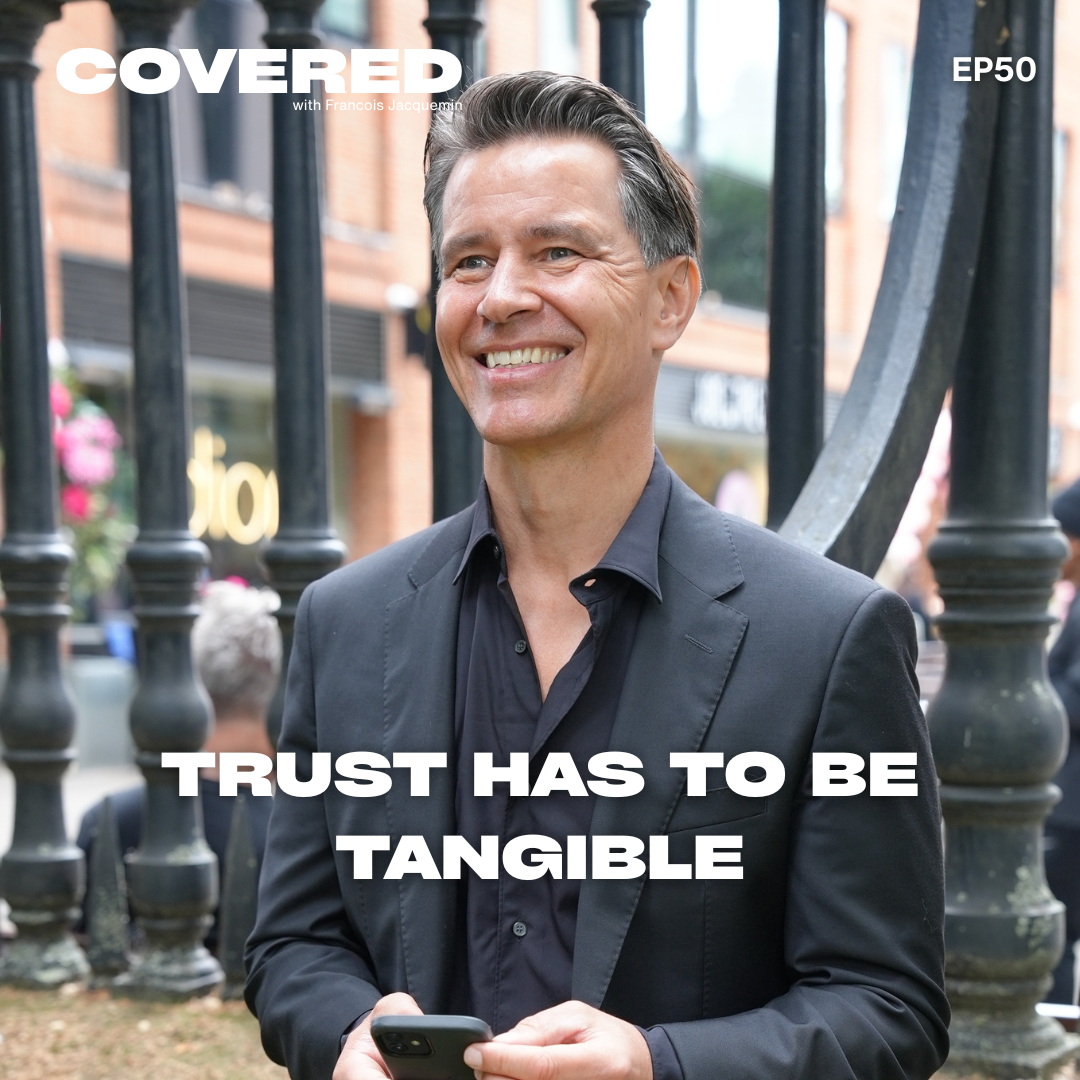
In this Episode:
François Jacquemin explains why governance is the key to building trust in insurance partnerships with banks, asset managers, and family offices.
In another podcast, I said what we create as an insurer for a client isn't a product. It is a trust that, in the event of an adverse event, we will pay the amount needed to repair it, or, if it is an investment, that we invest the money wisely and repay it at the end. In partnerships, an insurance company also needs to create that trust. The same probably applies in several other industries, but since I work in insurance, that is where I focus.
What does trust mean here? It has to be tangible. For a client, it's payment. For a partnership, it could be personal. Building an interpersonal relationship with the person responsible at the partner isn't only interesting to me; it is also how I work. But it goes beyond that. The person can change jobs, be promoted, or simply move on, so trust can't rest on the personal relationship alone.
When an asset manager or a family office invests in a relationship with an insurance company, they may develop a product together with us. It could be a branded product for the asset manager, or a fund wrapped into a bank-issued insurance contract. That is an investment, and it takes time and credibility. If it works very well, it is success, client satisfaction, and peace of mind. If it doesn't work, our partner's credibility is impacted, and we don't want that. Trust is the key element in the short and long term to make the partnership work, and governance is key to implementing that trust.
I say it like that because governance isn't always expected to build trust. Usually you would hear that you have to be creative, very competent, service-oriented. But governance ensures creativity is done properly. You can find something amazing, and if the execution fails, you've wasted your creativity.
In an insurance company, governance ensures the entire value chain is managed properly. When we develop a product with a partner, governance keeps it compliant, ensures it meets the goals we defined, and delivers the reason a client will buy it. Sometimes people are upset about one thing or another. But overall, a value chain made up of two or three companies works as smoothly as possible because of that governance, and that is what meets the client's expectations in the end.
The point is not the individual elements of governance. Governance ensures that the trust we establish with a partner, personal or contractual, becomes reality in the short term and the long term. Insurance contracts are long-term. Governance ensures that the promise endures beyond people, government, legislation, and countries.
The same goes for corporate insurance. If I sell a group insurance contract covering the employees of a local or multinational company, the employer is willing to pay because they know a company with strong governance and a sustainable future is on the other side. With companies, it's more of a contract than a promise, but the two go together, and employees will be covered for a long time.
So yes, governance is a sales tool, and it builds partnerships on solid ground.
Timecode:
00:00 Trust Is The Product
01:29 Personal Vs Institutional Trust
02:05 Partnership Investment Stakes
03:04 Governance Builds Trust
03:44 Governance Across The Value Chain
05:24 Long Term Credibility Promise
06:17 Governance As Sales Tool
François Links:
Apple Podcast
Transcript:
How do we create trust with, um, a, a partner in the insurance industry? This partner can be, um, a, distribution partner, it can be a, a partnership, to, to, uh ... Is a bank, is asset, asset manager, family office. It's a relationship that is based on trust. I, I mentioned in the past that, um ... Oh, in the past, my God, I, I look so old now. in, in another podcast, I mentioned that, um, the, um, the, the, the ... What, what, what we create as insurer, towards a client is, is not a product, it's a trust that in case of, adverse event or, in, if it's an investment, afterwards that it's, it's, it's a repayment of the, of the right investment. So we, we invest the money rightly, or in case of this adverse event, we pay, the, the, the amount, to repair this, this adverse event or the, the claim. So it's, it's a trust. Um, in, in partnerships, insurance company also need to create that trust. It's probably the same for several other industries, but since I'm insurance, I'm, I'm, I'm working for insurance, um, then, um, it is important, to focus on that What does that mean, trust? it has to be tangible. For a client, it's the payment. For a partnership, what is the trust? Could be personal. somebody is trying to build interpersonal relationship, and I find it interesting, to do so. I find it not only interesting, but it's the way I work, so it's something I need to establish a, relationship with, the person responsible, at, the partner. But it's goes beyond that. the person, you know, can go away, can change job, can be promoted, or move on simply. So has to be more than simply the personal relationship. if an asset manager or a family office invests in a relationship with an insurance company, maybe develop a product together, it could be a branded product for, an asset manager. Could be a fund that is going to be wrapped into, the insurance contract with a bank or an asset manager again. that's an investment. and it, takes time. It takes credibility. Also, if, if it fails, there's a, you know, i- if it works very well, then it's success, so it's money. It's, client satisfaction. It's, um, it's, it's peace of mind. Um, but also if it doesn't work, then it's credibility that is, being impacted of, of, of our partner, and we don't want that. So let's say the trust is the key element in the short and the long term to ensure this partnership is going to work. And, governance is the key to implement that trust. Okay. I said it like that because it may not be always expected that governance is a tool to create trust. Usually you'd say it has to be funky, we have to be creative, we have to be, you know, very competent, service-oriented. But the governance is actually the element that ensures that if there is creativity, then it has to be done in a proper way. You can be creative, find something that's amazing, but if the execution fails, then, your creativity has been put at bad use. the, governance inside the insurance industry and in an insurance company is, ensuring that all the pieces of the value chain are properly managed, So when there is a product which is developed together with a partner the product is compliant. It's going to achieve the goals that we define for that product. It will deliver on the reason why a client will buy this product. These expectations, these elements will be delivered. The expectation of the client will be met. Of course, sometimes people are upset about ABC But in all in all, there is a whole infrastructure value chain combined from two companies or three companies that are working together in a smooth way or the smoothest possible way, thanks to that governance, which going to achieve the client satisfaction and, meeting the client expectation at the end. And we build that together and of course, with our partners within a, a very strong governance framework that impacts, as I said, the whole value chain. Or I could say simply if I take that, um, it, it impacts the, the, the relationship between two, two, the two entities, but also the whole servicing element and product element for the client. The point here is not to talk about the element of the governance, is to emphasize the role of governance itself in ensuring that the trust that we establish on a personal basis or contractual basis with a partner is actually reality in the short term and in the long term because insurance contracts are there for, long term. That such an investment is done in the long term. and therefore, the governance is ensuring the long termism of that, promise beyond people, beyond government, beyond legislation, beyond countries. This governance is really what is giving the credibility of this partnership, towards the client. It works for investment, but the same goes into, corporate insurance. if, I'm selling a, a, a group insurance contract that covers employees of a, of an insurance co- of a, of a client, of a company, whether it's a local or multinational, the, the trust is, is there. It has to be there for the choice, but, um, of the, of, of which insurance company is going to deliver this, this, this, contract. But the, the, the, the, the employer, covering, his or her employees is, is, is of course willing to, to, to take the step and pay money because he knows that on the other side, there is a company with a strong governance, with a, a sustainable short term and, and future, and that the, the promise or the contract here with companies, a bit more a contract than a promise, but it goes with it, is going to be, there for a long time and covering the employees for, for a long time. So yes, governance is a sales tool and ensuring that partnerships are implemented on solid basis.